
Leukemia is a type of blood cancer that affects the blood and bone marrow, where new blood cells are produced. Advances in medical science have significantly improved the diagnosis and treatment of leukemia, making early detection and specialized care more important than ever. Understanding the warning signs and available treatment options can help patients seek timely medical attention.
What Is Leukemia?
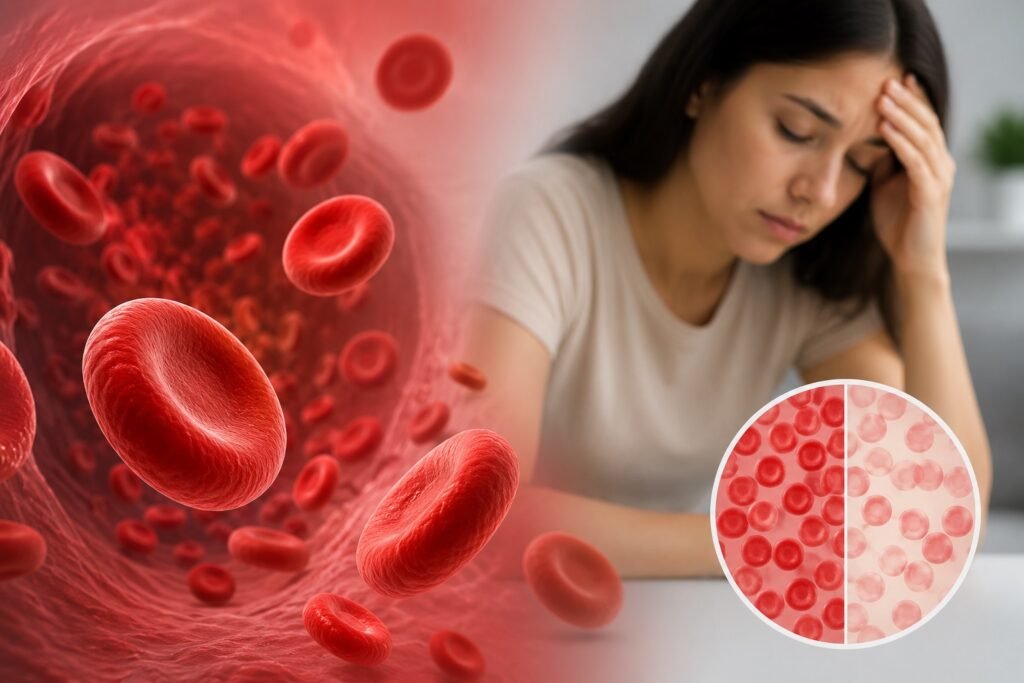
Leukemia develops when abnormal white blood cells grow uncontrollably, interfering with the production of healthy blood cells. As these abnormal cells multiply, they can affect the body’s ability to fight infections, carry oxygen, and control bleeding.
Leukemia can affect both children and adults and is generally classified into acute and chronic forms, depending on how quickly the disease progresses.
Common Signs and Symptoms
The symptoms of leukemia often resemble those of common illnesses, making early diagnosis challenging. Some of the most common signs include:
- Persistent fatigue and weakness
- Frequent infections
- Unexplained fever or night sweats
- Easy bruising or excessive bleeding
- Pale skin due to anemia
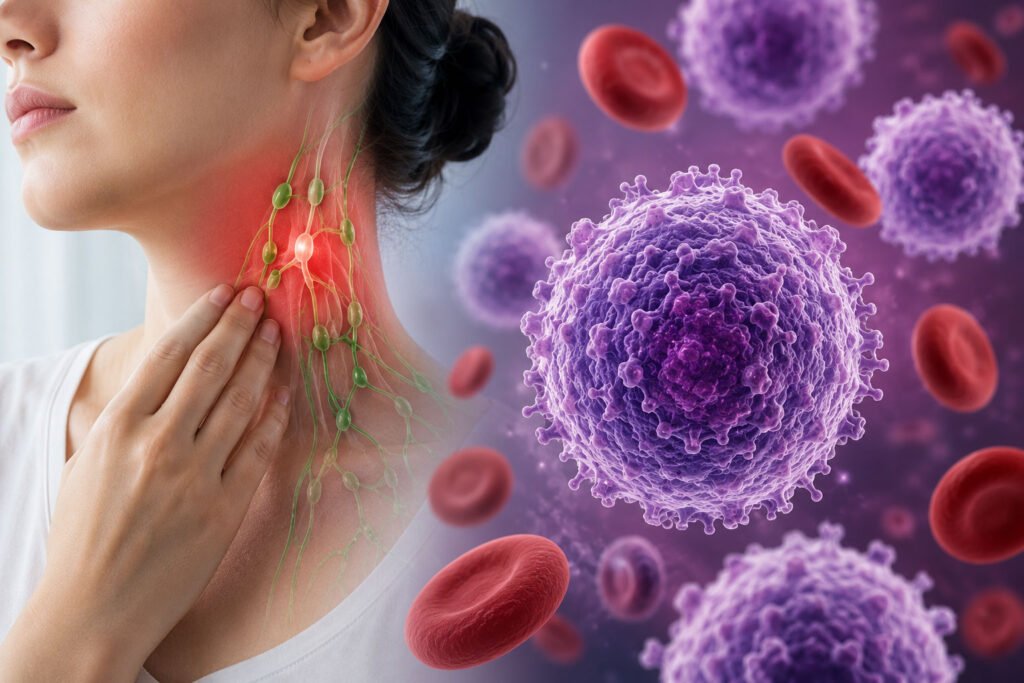
- Swollen lymph nodes
- Bone or joint pain
- Unexplained weight loss
If these symptoms persist or occur together, consult a hematologist for further evaluation.
Types of Leukemia
The four major types of leukemia include:
Acute Lymphoblastic Leukemia (ALL)
A rapidly progressing leukemia that commonly affects children but can also occur in adults.
Acute Myeloid Leukemia (AML)
A fast-growing leukemia affecting the bone marrow and blood, requiring prompt treatment.
Chronic Lymphocytic Leukemia (CLL)
A slowly progressing leukemia that usually affects older adults and may not require immediate treatment in its early stages.
Chronic Myeloid Leukemia (CML)
A chronic leukemia associated with specific genetic changes and often treated successfully with targeted therapy.
How Is Leukemia Diagnosed?
A thorough evaluation by a hematologist is essential for an accurate diagnosis. Diagnostic tests may include:
- Complete Blood Count (CBC)
- Peripheral Blood Smear
- Bone Marrow Aspiration and Biopsy
- Flow Cytometry
- Cytogenetic and Molecular Testing
- Imaging studies, when required
These investigations help determine the type and stage of leukemia, allowing doctors to develop an individualized treatment plan.
Treatment Options
Leukemia treatment depends on the type, stage, overall health, and individual patient needs. Treatment may include:
- Chemotherapy
- Targeted Therapy
- Immunotherapy
- Bone Marrow (Stem Cell) Transplant
- Supportive Care
- Regular monitoring and follow-up
Modern treatment approaches have greatly improved outcomes for many patients diagnosed with leukemia.
When Should You See a Hematologist?
You should seek specialized medical care if you experience:
- Persistent unexplained fatigue
- Frequent infections
- Recurrent fever without a clear cause
- Easy bruising or unusual bleeding
- Abnormal blood test results
- Swollen lymph nodes or unexplained weight loss
Early diagnosis often provides more treatment options and can improve overall outcomes.
Can Leukemia Be Prevented?
While there is no guaranteed way to prevent leukemia, maintaining a healthy lifestyle and attending regular medical check-ups can support overall health. More importantly, recognizing symptoms early and seeking prompt medical evaluation can make a significant difference in treatment success.
Conclusion
A leukemia diagnosis can feel overwhelming, but advances in hematology have made treatment more effective than ever before. With early detection, accurate diagnosis, and personalized care from an experienced hematologist, many patients achieve successful outcomes and improved quality of life.
Need Expert Leukemia Care?
If you or a loved one has symptoms of leukemia or abnormal blood test results, schedule a consultation with Dr. Kunal Chhattani for expert diagnosis, personalized treatment planning, and compassionate hematology care.

Pingback: Multiple Myeloma Symptoms & Causes - Dr Kunal Chhattani