
Anemia is one of the most common blood disorders, affecting people of all ages. While many cases are caused by iron deficiency, anemia can also result from vitamin deficiencies, chronic illnesses, inherited conditions, or disorders affecting the bone marrow. Identifying the underlying cause is essential for effective treatment and long-term health.
What Is Anemia?
Anemia occurs when your body has fewer healthy red blood cells or insufficient hemoglobin to carry oxygen throughout the body. As a result, your organs and tissues receive less oxygen than they need, leading to symptoms such as fatigue and weakness.
Common Symptoms of Anemia
The symptoms of anemia can vary depending on its severity and cause. Common signs include:
- Persistent fatigue or weakness
- Pale or yellowish skin
- Shortness of breath
- Dizziness or lightheadedness
- Frequent headaches
- Cold hands and feet
- Rapid or irregular heartbeat
- Difficulty concentrating
If these symptoms persist or worsen, it is important to seek medical evaluation.
What Causes Anemia?
Anemia can develop for several reasons, including:
Iron Deficiency
The most common cause of anemia, often due to inadequate dietary intake, blood loss, or poor iron absorption.
Vitamin Deficiency
A lack of vitamin B12 or folate can interfere with healthy red blood cell production.
Chronic Diseases
Conditions such as kidney disease, autoimmune disorders, infections, or chronic inflammation may contribute to anemia.
Bone Marrow Disorders
Diseases affecting the bone marrow can reduce the production of healthy blood cells and require specialized evaluation.
Inherited Blood Disorders
Conditions like thalassemia and sickle cell disease are inherited disorders that can cause chronic anemia.
How Is Anemia Diagnosed?
A hematologist will begin with a detailed medical history and physical examination, followed by appropriate laboratory investigations. Depending on your condition, tests may include:
- Complete Blood Count (CBC)
- Iron studies
- Vitamin B12 and folate levels
- Peripheral blood smear
- Reticulocyte count
- Additional specialized tests, if required
Accurate diagnosis helps identify the root cause and guides the most appropriate treatment plan.
Treatment Options
Treatment depends on the underlying cause of anemia and may include:
- Iron supplementation
- Vitamin B12 or folic acid replacement
- Dietary modifications
- Treatment of the underlying medical condition
- Blood transfusion in selected cases
- Specialized hematology care for complex disorders
Self-medicating with iron supplements without medical advice is not recommended, as not all anemia is caused by iron deficiency.
When Should You See a Hematologist?
You should consult a hematologist if you experience:
- Persistent or severe anemia
- Recurrent low hemoglobin levels
- Unexplained fatigue despite treatment
- Abnormal blood test results
- Family history of inherited blood disorders
- Anemia associated with other blood abnormalities
Early diagnosis can help prevent complications and improve treatment outcomes.
Tips for Maintaining Healthy Blood
- Eat a balanced diet rich in iron, vitamin B12, and folate.
- Stay hydrated and maintain a healthy lifestyle.
- Attend regular health check-ups, especially if you have a chronic medical condition.
- Follow your doctor’s treatment plan and avoid self-medication.
Conclusion
Anemia is a treatable condition when its underlying cause is accurately identified. Whether caused by nutritional deficiencies, chronic illness, or more complex blood disorders, timely diagnosis and appropriate medical care are essential. If you experience persistent symptoms or have concerns about your blood health, consulting a hematologist can help ensure the right diagnosis and personalized treatment.
Need Expert Care for Anemia?
If you’re experiencing symptoms of anemia or have abnormal blood test results, schedule a consultation with Dr. Kunal Chhattani for comprehensive evaluation and personalized hematology care.


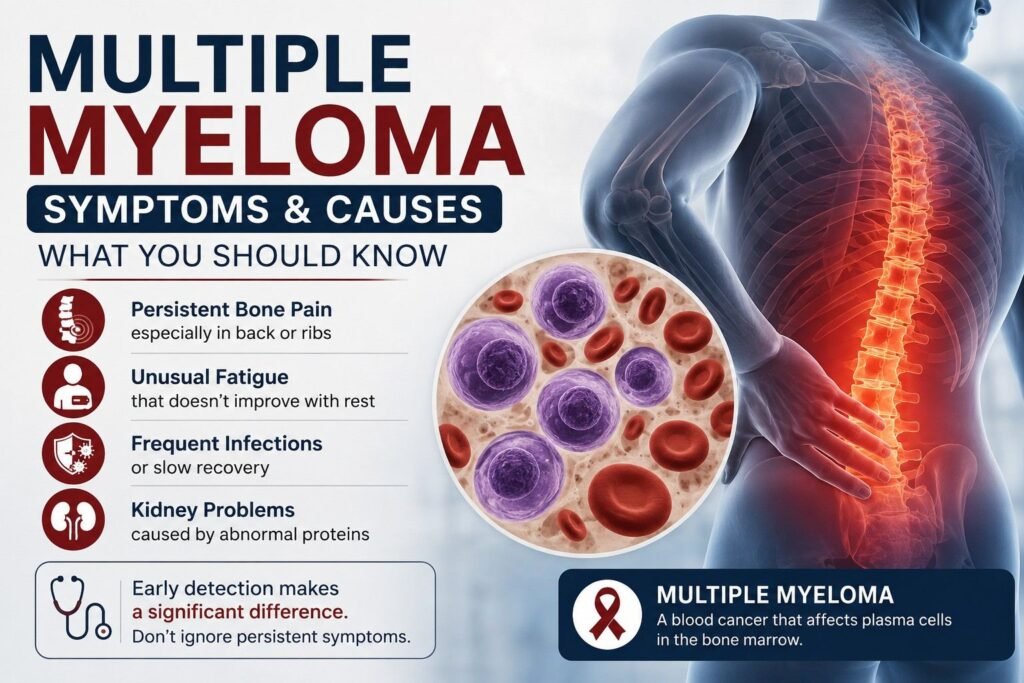
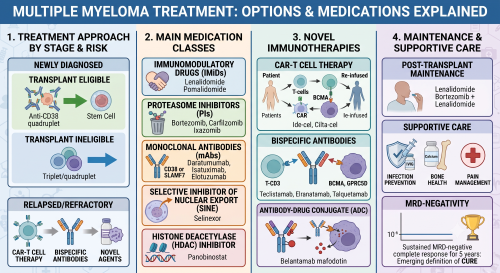

Pingback: Multiple Myeloma Symptoms & Causes - Dr Kunal Chhattani