If you or a loved one has just been told a bone marrow transplant might be needed, chances are you’ve heard two unfamiliar words in the same breath: autologous and allogeneic. Most patients walk out of that first conversation more confused than before it started. The good news is that the difference comes down to one simple question — whose stem cells are actually being used? Once that’s clear, everything else about risk, recovery, and eligibility starts to make sense.
What Is an Autologous Bone Marrow Transplant?
In an autologous transplant, the patient receives their own stem cells back. Before high-dose chemotherapy or radiation, healthy stem cells are collected from the patient’s own blood or bone marrow, stored, and then reinfused once the intensive treatment is complete.
This approach is commonly used for:
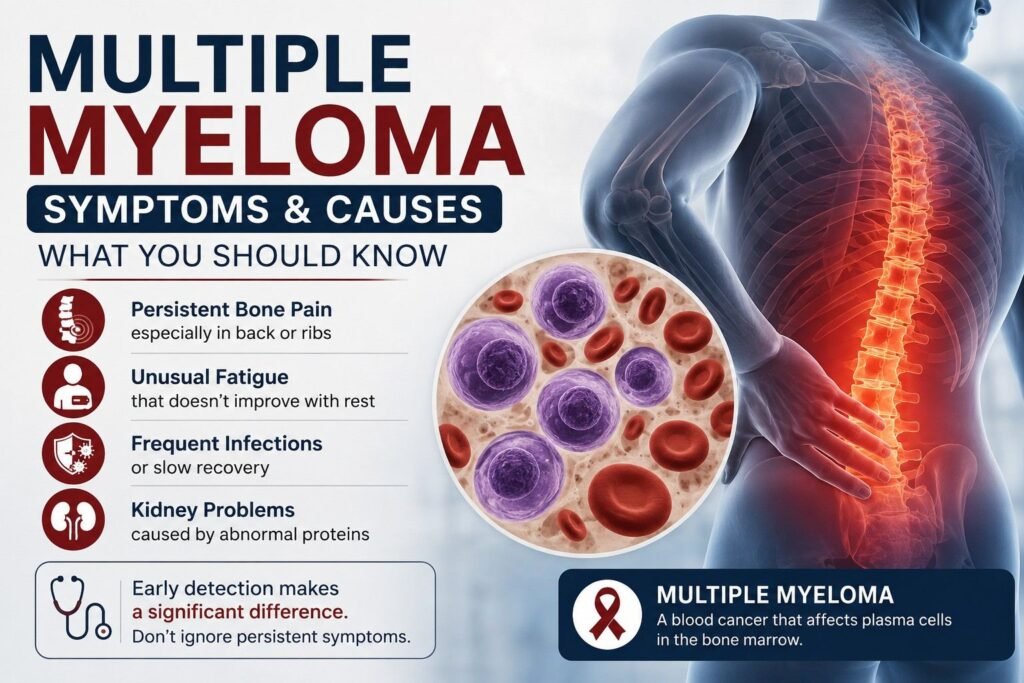
- Multiple myeloma
- Certain types of lymphoma
- Some solid tumours in specific clinical situations
Because the cells belong to the patient, there’s no risk of the immune system rejecting them or attacking the body — a complication that’s central to the allogeneic route. This is generally why autologous transplants tend to carry a lower risk profile and a somewhat more predictable recovery.
What Is an Allogeneic Bone Marrow Transplant?
An allogeneic transplant uses stem cells from a donor — either a matched family member or an unrelated donor identified through a registry. This is the route typically recommended when the disease itself originates in the bone marrow, since using the patient’s own cells wouldn’t remove the underlying problem.
Conditions where allogeneic transplant is more common include:
- Leukemia (acute and chronic)
- Aplastic anemia
- Thalassemia and certain other inherited blood disorders
One advantage unique to allogeneic transplant is the “graft-versus-tumour” effect — the donor’s immune cells can actively recognise and attack any remaining diseased cells, which is part of why it’s often chosen for blood cancers. The trade-off is a more complex immune interaction between donor and recipient, which needs closer monitoring.
Autologous vs Allogeneic — Side-by-Side Comparison
| Factor | Autologous | Allogeneic |
|---|---|---|
| Cell source | Patient’s own stem cells | Donor stem cells (related or unrelated) |
| Rejection/GVHD risk | Very low | Present — requires monitoring |
| Typical conditions | Myeloma, lymphoma | Leukemia, aplastic anemia, thalassemia |
| Graft-vs-tumour effect | Not applicable | Present, can help fight residual disease |
| Donor search needed | No | Yes, unless a sibling match is available |
| General recovery pattern | Generally shorter monitoring window | Typically longer follow-up due to immune effects |
Which Type of Transplant Is Right for You?
There’s no single answer here — the choice depends on several factors your hematologist will evaluate together:
- The underlying disease. Some conditions respond better to graft-versus-tumour effect and essentially require a donor.
- Donor availability and match quality. A well-matched sibling or unrelated donor changes what’s medically possible.
- Age and overall fitness. This influences how well the body can tolerate either type of transplant.
- Disease stage at the time of transplant. Being in remission generally changes the risk-benefit calculation.
This is exactly the kind of decision that shouldn’t be made from an article alone — it needs a full clinical evaluation, disease workup, and where relevant, donor testing, before a transplant type is finalised.
Risks and Recovery Differences
Autologous transplants generally involve a shorter, more predictable recovery window, mainly because there’s no donor-related immune reaction to manage. The main risks tend to center around the effects of the preceding high-dose chemotherapy itself.
Allogeneic transplants come with an additional consideration: graft-versus-host disease (GVHD), where the donor’s immune cells react against the recipient’s tissues. This is manageable in most cases with the right monitoring and medication, but it does mean a longer period of close follow-up after the transplant.
Both transplant types carry real risks, and neither should be seen as a routine outpatient procedure — both call for a specialised transplant team and a well-equipped hospital setting.
FAQs
Which is safer — autologous or allogeneic bone marrow transplant?
Autologous transplants generally carry a lower immediate risk profile since there’s no donor-immune interaction involved. However, “safer” depends heavily on which type is actually appropriate for the disease being treated — a lower-risk option isn’t useful if it isn’t effective for the condition.
Can an autologous transplant be used for leukemia?
It’s less commonly used for leukemia compared to allogeneic transplant, since leukemia often requires the graft-versus-tumour effect that only donor cells provide. Your hematologist can clarify which applies to your specific case.
Why is allogeneic transplant considered riskier than autologous?
Mainly due to the possibility of graft-versus-host disease and the immune complexity of using donor cells. This risk is actively managed with monitoring and medication, and outcomes have improved significantly with modern transplant protocols.
Does an autologous transplant require a donor?
No — the patient’s own previously collected stem cells are used, so no donor search is needed.
Which transplant type has better long-term outcomes?
This varies by disease type, patient fitness, and donor match quality — there’s no universal answer. Outcomes are best discussed in the context of your specific diagnosis.
How is the right transplant type decided for a patient?
Your hematology team reviews the diagnosis, disease stage, donor availability, and overall health before recommending a transplant type. This typically involves several diagnostic steps before a final decision is made.
Talk to a Specialist Before Deciding
Autologous and allogeneic transplants solve different clinical problems, and the right choice comes down to your specific diagnosis and circumstances — not a general comparison. If you or a family member has been advised to consider a bone marrow transplant, the next step is a detailed evaluation with a qualified hematologist.
Dr. Kunal Chhattani (MBBS, MD, DrNB Clinical Hematology) specialises in the diagnosis and transplant-based management of blood cancers and blood disorders, with a patient-centred approach to treatment planning. [Book a consultation] to discuss which transplant approach may be right for your case.
This article is for general informational purposes and does not replace a medical consultation. Transplant suitability, risks, and outcomes vary by individual and should be assessed directly by a qualified hematologist.